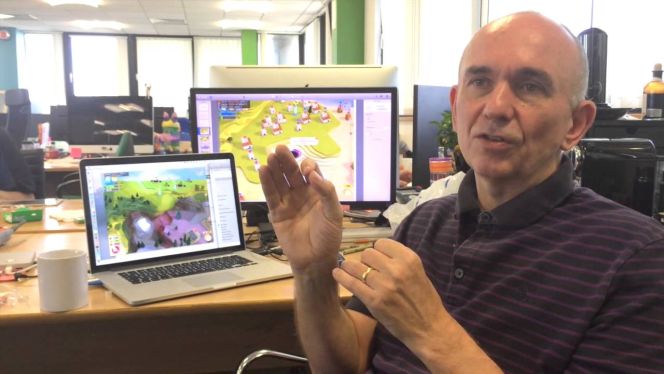
Peter Molyneux is a name that once carried divine weight in the gaming world. Creator of Populous, Dungeon Keeper, and Black & White, he was hailed as a visionary—a god among game designers. But in the past decade, that reputation has cracked under the weight of broken promises, underdelivered projects, and, most painfully, real money lost by real people.
The story of Molyneux’s fall isn’t just about one man’s hubris. It’s about the players—investors, backers, developers, and fans—who believed in his vision, handed over cash, and watched it vanish into vaporware purgatory. The biggest casualty? Godus, a crowdfunded god game that promised to evolve beyond anything seen before. Instead, it became a symbol of what happens when ambition outruns execution.
This is the story of those who lost big.
The Kickstarter Backers: Thousands of Small Bets, One Massive Loss
When Godus launched on Kickstarter in 2012, it raised over $876,000 from nearly 17,000 backers. The pitch was intoxicating: a spiritual successor to Populous, where players didn’t just control civilizations—they shaped the planet itself. The rewards were generous: digital copies, physical collectibles, named landmarks in-game, and even a chance to co-design a god.
But the game that shipped in 2014 was barely functional. A barebones, pixelated prototype with no resemblance to the lush, evolving world promised in concept art. Backers who paid $30 for a “Deluxe Edition” received a game they could play for 15 minutes before boredom set in. Those who pledged $100 or more—some up to $1,000—for exclusive experiences, got little more than digital trinkets and empty promises.
“I backed it because I trusted Molyneux,” said one backer in a now-deleted Reddit thread. “I’ve never felt so misled by someone I admired.”
Many backers never saw the features they were promised. Stretch goals like multiplayer, VR support, and mobile integration were quietly dropped. The “living world” that would evolve over years? Never materialized. For thousands, this wasn’t just disappointment—it was a financial loss on a platform built on trust.
Investors and Publishers: The Silent Sponsors Who Walked Away
Long before Kickstarter, Molyneux’s reputation gave him access to deep-pocketed investors and publishing giants. After leaving Lionhead Studios in 2012, he founded 22cans, a private studio funded by venture capital and publisher advances.
EA and Microsoft had backed his previous ventures heavily. But with Godus, the model shifted: crowdfunding first, then private investment. According to industry sources, 22cans secured additional funding—estimated between $2–4 million—from undisclosed tech and media investors who believed Molyneux could reinvent god games for the digital age.
That investment evaporated.
By 2015, Godus had stalled. The studio pivoted to Godus Wars, a real-time strategy spin-off, which also failed to gain traction. When Molyneux finally admitted in 2017 that Godus would not deliver its promised features, investors pulled out. Some reportedly recouped partial returns by licensing the engine or selling assets, but most wrote off their stakes as losses.
One investor, speaking anonymously to GamesIndustry.biz, said: > “We believed in the brand, not the roadmap. Molyneux sold a future that didn’t exist. By the time we realized, it was too late.”
The Developers: Talent Burned on a Failing Ship
Behind every failed game are developers who worked long hours for uncertain pay. At 22cans, the team was small—never exceeding 20 full-time staff. Many had left stable jobs at AAA studios to chase Molyneux’s vision.
But internal reports and anonymous forum posts paint a picture of disarray: shifting priorities, unclear design goals, and constant rewrites. One former developer told Eurogamer: > “We were building a universe, but the blueprint kept changing. One week we were working on terrain deformation, the next we were told to focus on monetization.”
Morale dropped as deadlines were missed and promises to backers went unfulfilled. Salaries were reportedly delayed, and some staff left without full compensation. The human cost—beyond dollars—was burnout, broken trust, and damaged careers.
When Godus effectively died in 2017, several developers struggled to find work, their resumes tainted by association with a high-profile failure. Some rebranded their experience, downplaying their time at 22cans. Others left the industry altogether.
The Mobile Gamers: Pay-to-Win Mechanics That Betrayed Trust
In a move that shocked fans, Molyneux pivoted Godus to mobile in 2015 with aggressive monetization. The PC version, already stagnant, was rebranded with microtransactions. Players could now buy “believers” and “miracles” with real money—core gameplay elements that were supposed to be earned.
This wasn’t just a design shift. It was a financial betrayal.
Backers who had funded the game to avoid exploitative monetization now watched as Godus became a pay-to-win title. One stretch goal had promised: “No ads, no IAPs.” That was quietly erased from the campaign page.
“I backed this to support innovation,” said a Steam reviewer. “Instead, I got nickel-and-dimed by the man who once swore he’d never do this.”
The mobile version flopped. Critics panned it, players unsubscribed, and revenue collapsed. But not before Molyneux’s reputation took another hit—one that resonated across the indie dev community.
The Media and Influencers: Credibility Costs
Even critics and content creators lost value in the Godus saga. Major outlets like Kotaku, Polygon, and The Guardian covered the Kickstarter with enthusiasm, touting it as a triumph of crowdfunding. Influencers shared the campaign, boosting visibility.
When the game failed, their credibility suffered. Some were accused of blind hero worship. Others had to issue corrections or retractions. One YouTube reviewer deleted his entire Godus coverage after Molyneux admitted the game wouldn’t deliver.
/cdn.vox-cdn.com/uploads/chorus_image/image/70269281/112379621.0.jpg)
For media professionals, trust is currency. And in backing Molyneux’s narrative too early, many spent that currency unwisely.
Why Did They Believe? The Psychology Behind the Losses
The real question isn’t just who lost money—but why they believed in the first place.
Molyneux didn’t operate like a typical charlatan. He wasn’t hiding. He was transparent, emotional, and seemingly sincere in interviews. He used phrases like “this will change gaming forever” not as marketing spin, but as genuine conviction.
That sincerity was the trap.
Developers believed because he believed. Investors believed because his past success was undeniable. Backers believed because he’d earned their loyalty over decades.
But Molyneux’s fatal flaw wasn’t dishonesty—it was overpromising. He sold dreams, not products. And in the gap between dream and delivery, money burned.
The Legacy: Who’s Still Paying the Price?
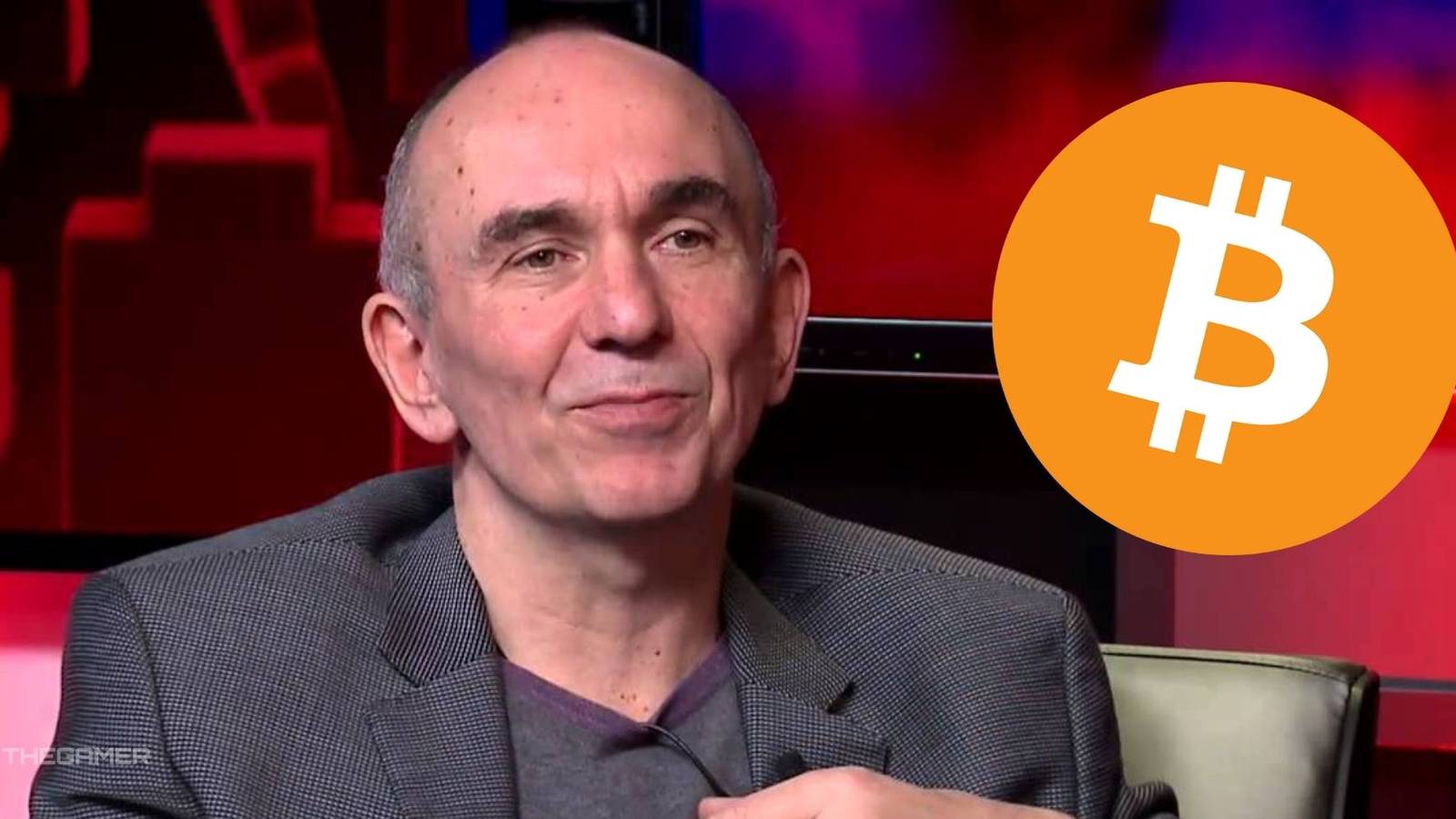
Today, Peter Molyneux remains active. He’s working on Legacy, a blockchain-based god game that—yet again—promises player-driven evolution and permanent world changes. It’s funded through NFTs and crypto tokens.
And yes, people are buying in.
But the scars from Godus haven’t healed. Forums are littered with warnings: “Don’t fall for it again.” Reddit threads dissect every new trailer with skepticism. Former backers have sworn off crowdfunding entirely.
The players who lost money aren’t just statistics. They’re individuals who trusted a legend—and paid for it. Some lost hundreds. Others lost thousands. All lost faith.
Lessons for the Future: How to Avoid the Next Molyneux Moment
If there’s a silver lining, it’s this: the Godus disaster changed how people approach crowdfunded games.
Red Flags to Watch For:
- Over-the-top promises (“This will change gaming!”)
- Vague timelines (“We’ll deliver when it’s ready”)
- Shifting scope (Adding VR, mobile, multiplayer mid-campaign)
- Founder hero worship (Ignoring team, focusing only on one personality)
- No playable demo (Pitching dreams, not playable code)
What Backers Can Do:
- Research the team’s delivery history
- Check for concrete milestones
- Avoid high-tier rewards (they’re riskiest)
- Join community forums to monitor progress
- Treat pledges as donations, not purchases
The truth is, not every ambitious game fails. But when a single figure dominates the narrative, and delivery lags for years, caution is warranted.
Final Word: Trust Is Earned—And Easily Lost
Peter Molyneux’s legacy is no longer just about Populous or Fable. It’s also about Godus, broken promises, and the people who believed too much.
The players who lost money weren’t naive. They were hopeful. They invested in a vision—and that vision collapsed under its own weight.
If there’s a lesson here, it’s this: in gaming, as in life, trust should be backed by delivery. Charisma isn’t a business plan. And no matter how legendary the name, every promise must be judged by what actually ships.
For those who lost money, the cost was real. For the rest of us, the warning is clear.
FAQ
What should you look for in Meet the Players Who Lost Big on Peter Molyneux’s Broken Promises? Focus on relevance, practical value, and how well the solution matches real user intent.
Is Meet the Players Who Lost Big on Peter Molyneux’s Broken Promises suitable for beginners? That depends on the workflow, but a clear step-by-step approach usually makes it easier to start.
How do you compare options around Meet the Players Who Lost Big on Peter Molyneux’s Broken Promises? Compare features, trust signals, limitations, pricing, and ease of implementation.
What mistakes should you avoid? Avoid generic choices, weak validation, and decisions based only on marketing claims.
What is the next best step? Shortlist the most relevant options, validate them quickly, and refine from real-world results.