Simone Biles didn’t just walk away from a single event—she walked away from an entire system. After spending $23,000 to prepare for one red carpet appearance, the gymnastics legend has declared she’s done. Not with competition. Not with advocacy. But with the exhausting, often invisible labor behind celebrity fashion events.
This isn’t about vanity. It’s about value.
For athletes, especially Black women in sports, red carpet moments are rarely just about glamour. They’re strategic appearances—stepping into mainstream visibility, building brand equity, aligning with sponsors. But when the cost of entry hits five figures for a single night, even icons start questioning the return.
Biles’ revelation cuts through the glitter to expose a quiet crisis: the hidden financial and emotional toll of celebrity styling.
The Real Cost Behind a Single Red Carpet Look
$23,000. That’s not a typo. It’s the amount Simone Biles reportedly spent to appear on a red carpet—one evening, one walk, one photoshoot.
But what does $23,000 actually buy in the world of A-list styling?
It’s not just the dress.
Breakdown of a typical high-end red carpet styling budget:
- Designer gown rental or purchase: $10,000–$15,000 (some couture pieces are non-negotiable; they’re loaned with strict conditions or must be bought outright)
- Custom alterations: $1,500–$3,000 (precision fitting for a flawless silhouette)
- Stylist fees: $2,000–$5,000 (for top-tier stylists, this is standard for one event)
- Hair & makeup team: $1,500–$2,500 (on-set artists, travel, prep time)
- Jewelry loan coordination & insurance: $1,000–$2,000 (even borrowed pieces require liability coverage)
- Transport, security, wardrobe assistants: $1,000–$2,000
That total? Easily clears $20K before unexpected costs.
And here’s the catch: most of these expenses aren’t reimbursed. Even for someone of Biles’ stature, brands and stylists don’t always cover costs—especially if you're not a traditional "fashion darling" or your look doesn’t go viral.
For Biles, an athlete whose brand is built on authenticity, power, and precision, the math didn’t add up. The emotional weight did.
Why $23K Felt Like a Betrayal
This wasn’t just a number—it was a breaking point.
In a candid conversation, Biles described feeling “spiralled” after seeing the final bill. Not because she couldn’t afford it. But because it represented a system that demands more than time, energy, and appearance—it demands financial sacrifice disguised as opportunity.
Consider the context:
- Biles is one of the highest-paid female athletes, yes. But her wealth stems from endorsements, not appearance fees.
- Unlike musicians or actors, athletes rarely get paid to attend events. They go to support brands, fulfill contracts, or boost visibility.
- And yet, they’re expected to show up in couture, with flawless hair, custom jewelry, and a team on standby.

The irony? The very outfits that get praised in magazines often leave athletes out of pocket.
Biles didn’t just pay for a dress. She paid for access to an industry that historically excludes women like her—women of color, athletes with muscular builds, those who don’t conform to narrow fashion ideals.
And when that access comes at $23,000? It stops feeling like privilege. It feels like extraction.
The Myth of “Free” Celebrity Fashion
We’ve all seen the headlines: “Simone Biles stuns in custom [Designer] gown.” What we don’t see: the fine print.
Most “free” designer loans come with strings:
- Social media promotion: Mandatory posts, stories, tags—often for weeks before and after the event.
- Content creation: Behind-the-scenes footage, interviews with stylists, brand testimonials.
- Exclusivity clauses: Can’t wear rival designers for months.
- Damage liability: A single tear or stain could cost thousands.
- Return shipping & cleaning: Often billed back to the client.
And if the look doesn’t perform? If it doesn’t trend, if critics pan it, if the photos don’t land? The designer can quietly pull support. No more invites. No more “favors.”
For Biles, the pressure wasn’t just financial—it was reputational. One misstep, and the door could close.
This is the quiet coercion behind red carpet culture: you pay to play, even when you’re told it’s free.
Athletes Aren’t Fashion Icons—And That’s Okay There’s a double standard at play.
Actors are expected to be fashion-forward. Musicians are styled as extensions of their art. But athletes? They’re supposed to be “on brand” for performance—not runway.
Yet, they’re judged just as harshly.
Remember when Venus Williams wore a bold yellow gown to the Met Gala and was called “too athletic”? Or when谷爱凌 faced scrutiny for her fashion choices at formal events?
The fashion industry often treats athletes as outsiders—then demands they conform to its rules.
Biles has long challenged this. Her 2021 Olympic leotards featured snazzy designs with deep personal meaning. At awards shows, she’s worn bold colors, natural hair, and silhouettes that celebrate her body. But each statement comes with increased scrutiny—and increased cost.
Styling isn’t self-expression when it’s a requirement. It’s labor.
And for Biles, that labor—financial, emotional, mental—has reached its limit.
When Self-Care Becomes a Public Statement
Walking away isn’t quitting. It’s boundary-setting.
Biles’ decision to stop attending red carpet events isn’t about vanity or laziness. It’s a powerful act of self-preservation.
Consider the cumulative toll:
- Mental load: Weeks of fittings, approvals, communication with teams.
- Physical strain: Wearing restrictive gowns, high heels, heavy jewelry after years of intense training.
- Public scrutiny: Every photo is dissected by fans, critics, and trolls.
- Financial stress: Paying thousands for an appearance that may not even be credited properly.
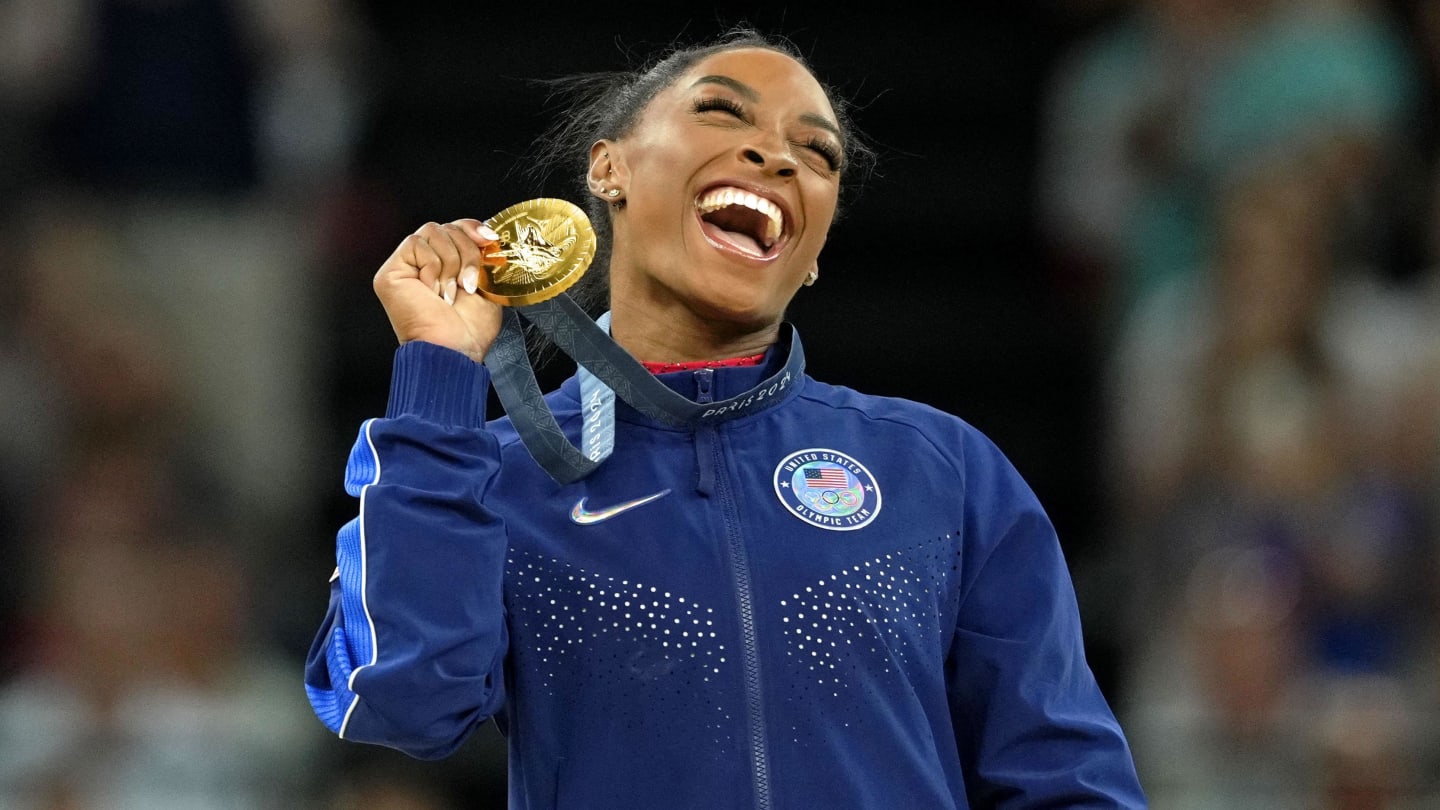
After her Tokyo Olympics experience, where she prioritized mental health over performance, this move feels like a continuation—not a surprise, but a necessity.
She’s not refusing visibility. She’s redefining it.
Biles continues to show up—for interviews, advocacy work, brand partnerships. But on her terms. In clothes that serve her, not an industry’s checklist.
What the Industry Needs to Change Biles’ stance should be a wake-up call.
The fashion and entertainment industries have long relied on the unpaid or underpaid labor of women, especially women of color. Athletes, despite their fame, are not immune.
To make red carpets sustainable—and ethical—here’s what needs to shift:
1. Transparent Styling Budgets Brands and events should cover styling costs for guests, especially when attendance is tied to sponsorship or contractual obligation.
2. Real Inclusivity in Design Designers must create for diverse bodies—not just loan a size 2 gown and hope for the best. Custom work should be standard, not a luxury add-on.
3. Compensation for Appearances If athletes are expected to show up in couture, they should be paid for it. Period.
4. Mental Health Acknowledgment The pressure to “look perfect” contributes to anxiety, disordered eating, and burnout. Support should be built into event prep—not ignored.
5. Credit Where It’s Due Stylists, designers, and teams should be properly credited. But so should the person in the gown. Biles isn’t a mannequin—she’s a storyteller.
Until these changes happen, Biles’ exit isn’t an outlier. It’s a preview.
The Bigger Picture: Redefining Success
Simone Biles has redefined excellence in gymnastics. Now, she’s redefining what success looks like off the mat.
Her refusal to attend red carpets isn’t a retreat. It’s a recalibration.
She’s asking: What is this costing me? Who benefits? Is it worth it?
For many public figures—especially women, athletes, and people of color—these questions go unanswered. The pressure to appear, to perform, to conform, is relentless.
Biles is choosing differently.
She’s investing in peace instead of prestige. In mental clarity over viral moments. In authenticity over approval.
And in doing so, she’s giving others permission to do the same.
A New Standard for Celebrity Appearances
Biles’ $23,000 red carpet moment wasn’t just a financial shock. It was a system failure.
It exposed how celebrity culture commodifies image while demanding invisible labor. How fashion celebrates stars but rarely compensates them fairly for their presence. How even the most accomplished feel pressure to pay for the privilege of being seen.
But her response—drawing a line—might be her most powerful performance yet.
Because sometimes, the bravest thing an athlete can do isn’t a triple-twisting double tuck.
It’s saying no.
For anyone weighing the cost of showing up—emotional, financial, psychological—Biles’ message is clear: protect your energy. Reassess the ROI. Walk away if it doesn’t serve you.
Not every spotlight is worth the price.
Frequently Asked Questions
Why did Simone Biles spend $23,000 on one red carpet? The cost covered a designer gown (likely rented or purchased), stylist fees, hair and makeup, alterations, jewelry insurance, and support staff—typical for high-profile events.
Does Simone Biles still attend public events? Yes, but selectively. She’s stepping back from red carpets and fashion-centric appearances, not all public engagements.
Do celebrities usually pay for their red carpet outfits? Many receive designer loans, but associated costs (stylists, travel, alterations) are often self-funded—especially if not fully sponsored.
Was the $23,000 bill reimbursed? There’s no public confirmation, but most athletes don’t get full reimbursement unless contractually guaranteed by a brand or event.
Is $23,000 typical for celebrity styling? For A-list events like the Met Gala or Oscars, yes. Top stylists charge thousands per event, and couture pieces come with hidden fees.
Did Simone Biles criticize her stylist? No—her comments focused on the system, not individuals. She highlighted structural issues, not personal blame.
What can be done to make red carpets more equitable? Events and brands should cover styling costs, prioritize inclusive sizing, compensate appearances, and reduce performance pressure on guests.
What mistakes should you avoid? Avoid generic choices, weak validation, and decisions based only on marketing claims.
What is the next best step? Shortlist the most relevant options, validate them quickly, and refine from real-world results.