Equipment doesn’t warn you before it starts. A conveyor belt jerks to life during servicing. A press cylinder drops unexpectedly. These aren’t rare events—they’re routine hazards in environments where maintenance meets live energy sources. Lockout tagout safety isn’t a procedural afterthought. It’s a lifeline.
Each year, hundreds of workers suffer severe injuries—or worse—due to uncontrolled release of hazardous energy. The solution lies in a disciplined, well-documented Lockout Tagout (LOTO) program. Yet too many organizations treat LOTO as a checkbox exercise. The ones that get it right don’t just comply—they cultivate a culture where safety is non-negotiable.
What Lockout Tagout Safety Actually Means
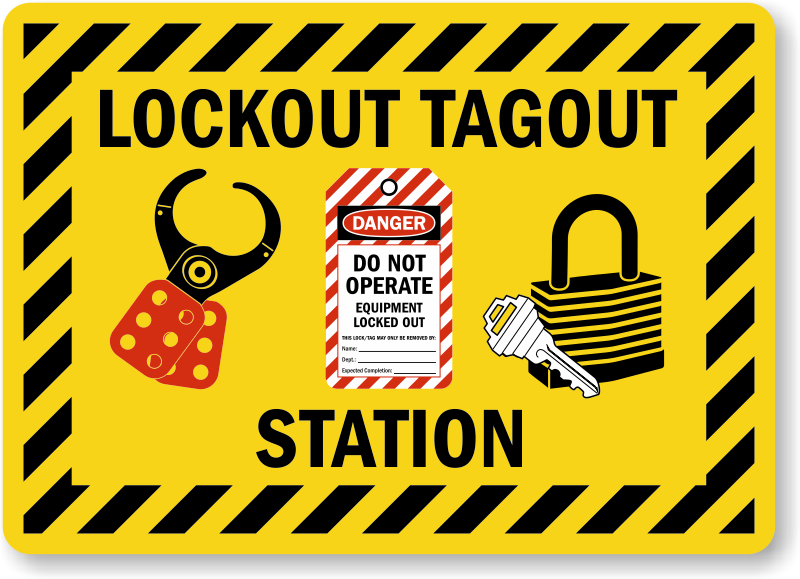
Lockout tagout safety is a formal procedure used to disable machinery or equipment during servicing or maintenance, ensuring that hazardous energy sources can't be accidentally activated. Lockout involves placing a physical lock on an energy-isolating device—like a circuit breaker or valve—so only the authorized worker can restore power. Tagout supplements lockout with a warning tag that identifies who locked the device, when, and why.
The key distinction? Lockout provides physical control. Tagout provides communication. OSHA requires lockout wherever possible; tagout alone is permitted only if the energy isolation device can't be locked.
Real-world example: An electrician replacing a motor on a hydraulic pump must shut off the main power disconnect, apply a personal lock, and tag the device. Only after verifying zero energy (through testing) can work begin.
LOTO applies to all forms of hazardous energy: - Electrical - Mechanical - Hydraulic - Pneumatic - Thermal - Chemical - Gravitational
Without this system, even a simple belt adjustment can turn fatal if someone resets a breaker from another room.
Why LOTO Programs Fail in Practice
Paperwork doesn’t stop machines. A perfectly written LOTO policy fails when real-world conditions override protocol.
Common breakdowns include: - Shared lockouts: Multiple workers relying on one lock, violating the “one person, one lock” rule. - Missing energy sources: Overlooking secondary or stored energy (e.g., springs under tension, capacitors holding charge). - Temporary bypassing: Workers removing locks “just for a second” to test equipment—often without re-verification. - Poor training: Authorized employees not trained on specific equipment procedures; affected employees unaware of their limitations. - Inadequate audits: Annual reviews that don’t simulate real lockout scenarios.
One manufacturing plant reported 12 near-misses in 18 months—all traced to incomplete LOTO. Root cause? Maintenance teams treated pneumatic lines like passive components, failing to bleed residual air pressure. Result: sudden actuator movement during disassembly.
LOTO isn’t just a sequence of steps. It’s a failure-resistant workflow.
The 6 Critical Steps of a Valid LOTO Procedure
An effective lockout tagout safety process follows a rigid, repeatable sequence. Deviations risk exposure. Here’s the OSHA-aligned framework:
1. Preparation Authorized employees identify all energy sources powering the equipment. This includes primary (main power supply) and secondary (backup batteries, stored pressure). A site-specific energy control plan must be referenced.
2. Notification All affected employees (those who operate or use the equipment) are informed that servicing will begin and normal operation will be interrupted.
3. Shutdown Equipment is shut down using normal stopping procedures. Emergency stops don’t count—they’re not energy-isolating devices.
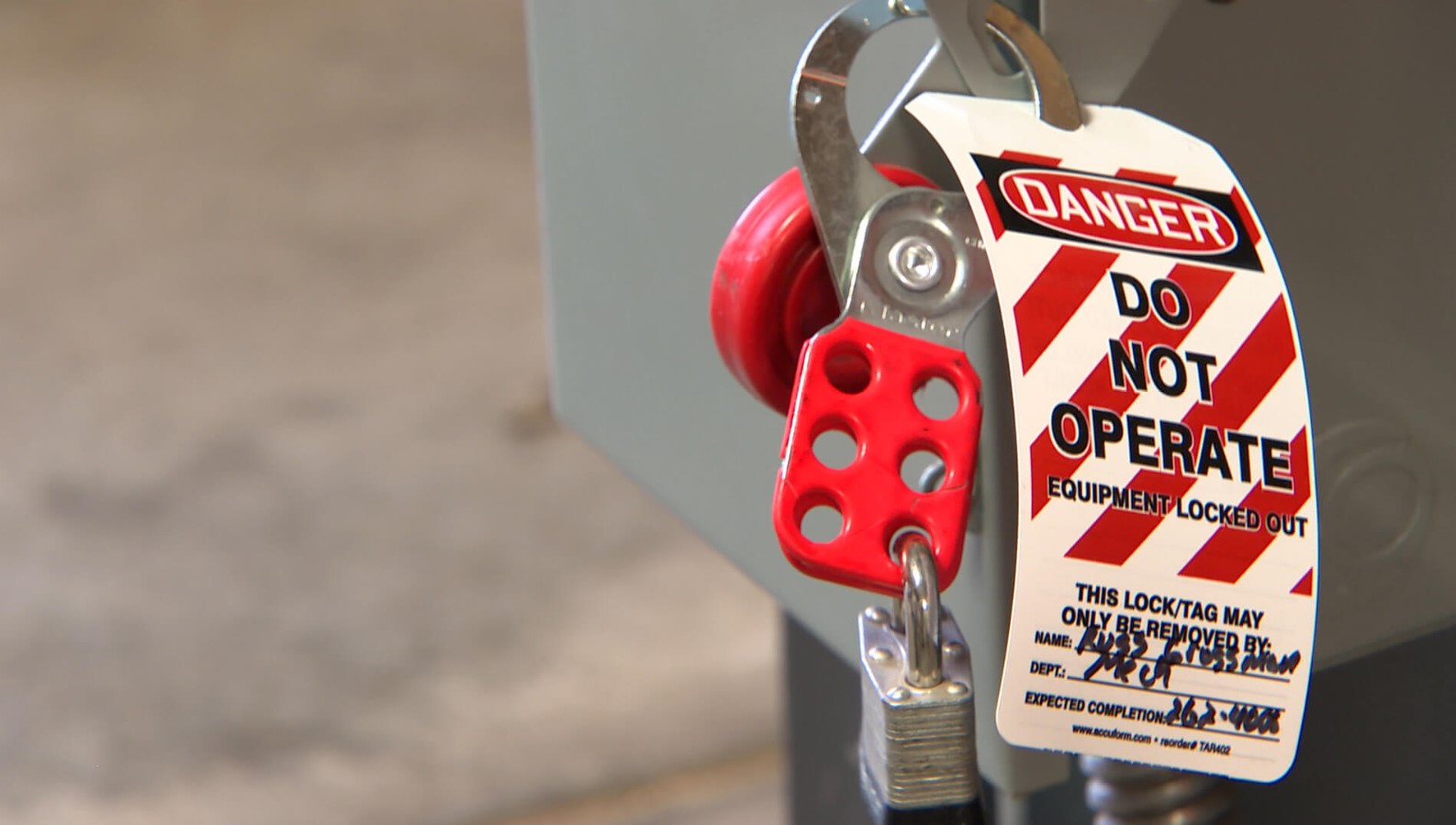
4. Isolation All energy-isolating devices (disconnects, valves, blocks) are physically turned off or closed. This is where blinds, blank flanges, or plug removal may be necessary for pipelines.
5. Application of Locks and Tags Each authorized worker applies their personal lock and tag. Group lockout boxes are used when multiple people work on one system—each person locks the box, and the keys to individual devices are stored inside.
6. Release of Stored Energy and Verification Stored energy must be dissipated: bleed lines, block raised parts, ground circuits. Only then does the authorized employee verify zero energy—using test instruments, not assumptions.
Insight: Verification isn’t optional. A worker in Ohio lost three fingers because he assumed a circuit was dead. His lock was in place—but he didn’t test with a voltage meter. The circuit had been cross-fed from another panel.
Who’s Responsible? Roles in LOTO Safety
Misunderstanding roles leads to gaps in accountability.
- Authorized Employee: The person trained and responsible for implementing the energy control procedure. Only they can lock out, verify, and restore equipment.
- Affected Employee: Operates or uses the equipment but doesn’t perform servicing. They must understand LOTO’s purpose and never remove a lock or override a tag.
- Supervisor: Ensures procedures are followed, audits compliance, and validates training.
A food processing facility once had an operator restart a locked-out mixer because “it was making noise.” The tag clearly stated “Do Not Operate – Maintenance in Progress.” The operator claimed he didn’t know he couldn’t touch it. That’s an affected employee training failure.
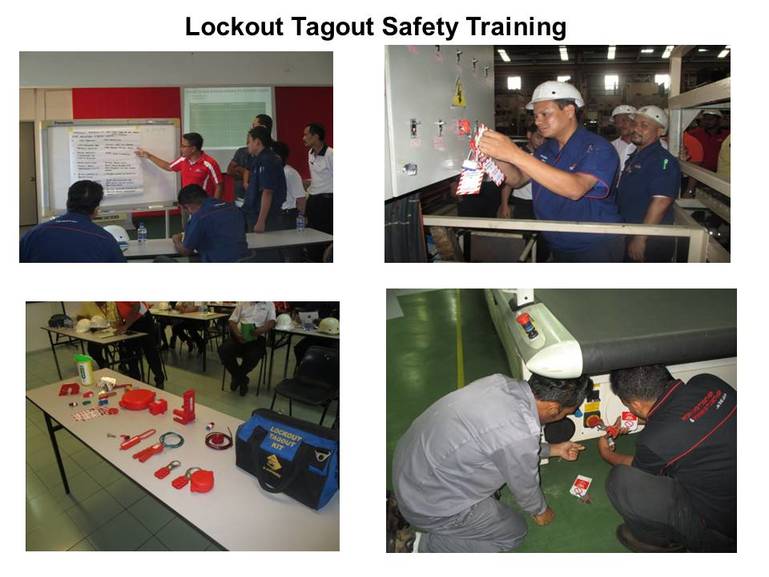
Training must be: - Initial and annual refresher - Equipment-specific - Documented with written tests and hands-on verification
Common LOTO Equipment and How to Use It Correctly
The right tools prevent shortcuts. Standard LOTO devices include:
- Lockout Hasps: Allow multiple locks to be applied to one isolation point.
- Circuit Breaker Lockouts: Fit over breakers to prevent flipping.
- Valve Lockout Devices: Clamp onto isolation valves to prevent opening.
- Padlocks: Personal, keyed-alike or keyed-different locks—must be durable and identifiable.
- Tagout Tags: Durable, standardized tags with space for name, date, reason.
- Group Lockout Stations: Secure boxes where keys to multiple energy sources are stored and individually locked.
Selection matters. A plastic lock won’t survive a steam environment. A tag that fades in sunlight becomes useless.
Best practice: Use color-coded locks by department or shift. Include employee ID on each lock. Store devices in accessible stations near high-risk equipment.
LOTO in High-Risk Industries: Real Applications One-size-fits-all doesn’t work. Industry-specific risks shape LOTO execution.
Manufacturing Assembly lines have multiple energy sources in close proximity. A single machine may require electrical, pneumatic, and mechanical lockouts. Stored energy in robotic arms (springs, hydraulics) must be manually released before entry.
Use case: An automotive stamping press requires die changes every few hours. Without consistent LOTO, workers risk amputation. Successful plants use standardized lockout kits and pre-shift verification checklists.
Utilities High-voltage systems introduce arc flash risks. Lockout includes visible break points, grounding, and voltage testing. Secondary feeds are a major hazard—equipment can appear dead but be energized through parallel circuits.
Use case: A technician isolating a transformer applies locks at the primary and secondary disconnects. Only after grounding each phase and testing for voltage does work begin.

Food and Beverage Wet washdown environments corrode standard locks. Stainless steel or polymer devices are required. Equipment like mixers and slicers often have multiple access points, increasing the risk of incomplete isolation.
Use case: A cleaning crew must lock out a conveyor system before removing guards. Because the system spans multiple zones, a group lockout box ensures all energy points are controlled before entry.
Avoiding Costly Mistakes: LOTO Pitfalls and Fixes
Even experienced teams make errors. The most frequent?
- Using someone else’s lock: Personal locks only. No exceptions.
- Skipping verification: Assuming isolation equals zero energy.
- Tag-only procedures where locks are feasible: Violates OSHA unless justified by a documented exception.
- Inadequate documentation: Procedures not updated after equipment changes.
- Poor coordination during shift changes: Outgoing worker removes lock; incoming worker hasn’t applied theirs.
Fix: Conduct surprise drop-in audits. Have safety officers observe real lockout events—not just review paperwork.
Another fix: Use LOTO procedure checklists laminated near equipment. Workers scan a QR code to access the full energy control document. Digital lockout logs integrate with CMMS systems, improving tracking and compliance.
Building a Culture of LOTO Compliance
Compliance isn’t enforced—it’s embedded.
- Top-performing sites do three things well:
- Leadership visibly participates: Managers perform lockouts during safety walks.
- Near-miss reporting is encouraged: Workers report bypasses without fear of blame.
- Procedures are living documents: Reviewed after every incident or equipment change.
One steel mill reduced LOTO violations by 87% in two years by introducing peer-led safety rounds. Maintenance teams audited each other using a standardized checklist—and posted results publicly.
Culture shift starts with language. Don’t say “We have to do LOTO.” Say “LOTO protects us.” That small change reinforces ownership.
Final Steps: Making Lockout Tagout Safety Stick
Lockout tagout safety isn’t about avoiding OSHA fines. It’s about ensuring every worker goes home unharmed. A robust LOTO program needs documented procedures, proper equipment, rigorous training, and constant vigilance.
Start now: Audit your three highest-risk machines. Verify that written procedures exist, are up to date, and are followed daily. Train one team deeply—then scale. Install lockout stations where they’re needed, not just where they’re convenient.
Safety isn’t a policy. It’s a practice. Make lockout tagout part of yours.
FAQ
What is the difference between lockout and tagout? Lockout uses a physical lock to prevent energy restoration. Tagout uses a warning tag. Lockout is required when possible; tagout alone is only acceptable if lockout isn’t feasible.
Who can remove a lockout device? Only the authorized employee who applied the lock may remove it. In their absence, a formal removal procedure involving management and verification must be followed.
Does LOTO apply to corded plug equipment? Yes—if the plug is under the exclusive control of the worker and no other energy sources exist, unplugging and tagging the plug satisfies LOTO.
How often should LOTO procedures be audited? OSHA requires annual inspections. Best practice is quarterly for high-risk equipment.
Can multiple people work under one lock? No. Each worker must apply their own lock. Use a group lockout box when multiple personnel are involved.
What counts as hazardous energy? Any energy source that can cause injury: electrical, mechanical, hydraulic, pneumatic, thermal, chemical, or gravitational.
Is training required for all employees? Yes. Authorized employees need in-depth training. Affected employees need awareness training on recognizing LOTO and not operating locked equipment.
FAQ
What should you look for in Lockout Tagout Safety: Protect Workers During Equipment Maintenance? Focus on relevance, practical value, and how well the solution matches real user intent.
Is Lockout Tagout Safety: Protect Workers During Equipment Maintenance suitable for beginners? That depends on the workflow, but a clear step-by-step approach usually makes it easier to start.
How do you compare options around Lockout Tagout Safety: Protect Workers During Equipment Maintenance? Compare features, trust signals, limitations, pricing, and ease of implementation.
What mistakes should you avoid? Avoid generic choices, weak validation, and decisions based only on marketing claims.
What is the next best step? Shortlist the most relevant options, validate them quickly, and refine from real-world results.