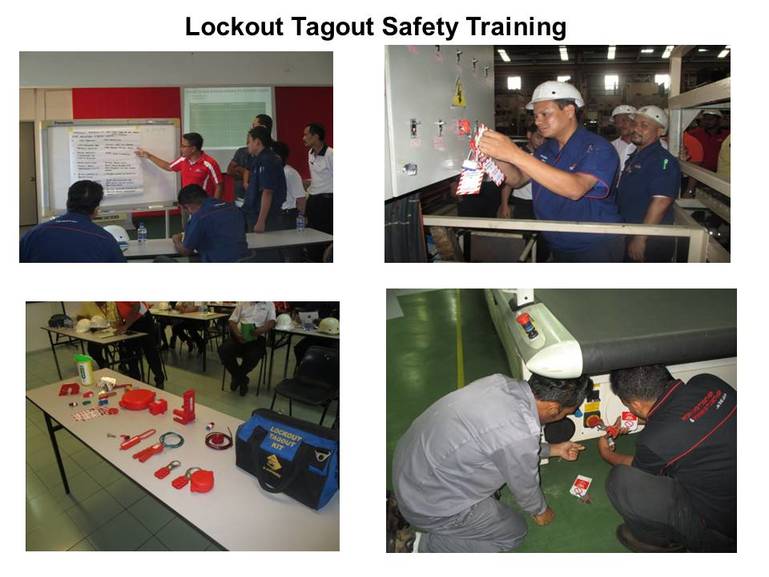
Visual communication is non-negotiable in high-risk industrial environments. A single misstep during equipment maintenance can lead to catastrophic injury or death. That’s why lock out tag out images are more than just reference material—they’re frontline tools in preventing accidents during energy isolation procedures.
These visuals serve as immediate cues for workers, clarify complex lockout sequences, and reinforce training in environments where language barriers or high-stress conditions can compromise understanding. From printed posters in machine rooms to digital diagrams in training modules, the right image can be the difference between a safe shutdown and a preventable incident.
Below, we break down how to use lock out tag out images effectively, where to source them, and the real-world impact they have on safety culture.
Why Lock Out Tag Out Images Matter More Than You Think
LOTO (Lock Out Tag Out) procedures are mandated by OSHA and other regulatory bodies to control hazardous energy during servicing or maintenance. But policies mean little if workers can’t execute them correctly under pressure. This is where visual aids become critical.
A study by the National Institute for Occupational Safety and Health (NIOSH) found that visual reinforcement improves procedural retention by up to 65%. In environments where split-second decisions matter, a well-placed diagram showing the correct sequence for isolating a conveyor system can prevent a startup during maintenance.
Common use cases include: - Step-by-step lockout sequences for specific machinery - Diagrams showing lock placement on energy isolation points - Tag examples with required fields: name, date, reason, department - Emergency response visuals indicating “do not operate” zones
Without these images, workers rely on memory or text-heavy manuals—both prone to human error.
Types of Lock Out Tag Out Images You Need
Not all visuals serve the same purpose. Effective LOTO programs use a mix of image types tailored to specific operational needs.
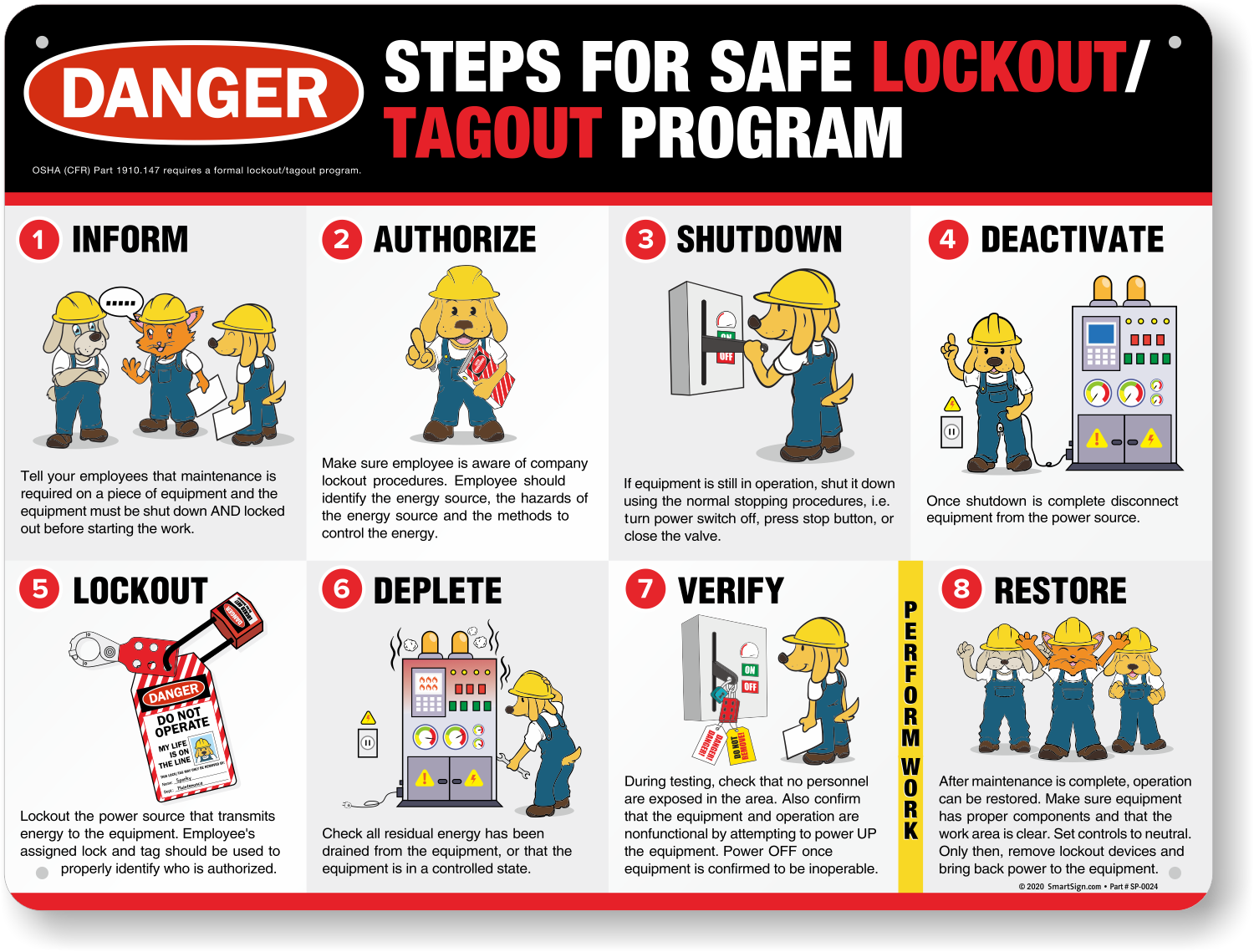
- #### 1. Procedure Flowcharts These illustrate the chronological steps for isolating energy sources. A flowchart might show:
- Shut down machine
- Identify energy sources (electrical, hydraulic, pneumatic)
- Isolate with locks
- Apply tags
- Verify zero energy
Icons and color coding enhance clarity. Red for “stop,” green for “verified safe.”
#### 2. Equipment-Specific Lockout Diagrams High-risk machinery like presses, mixers, or robotic arms require custom diagrams. These images map out exact lock points—valves, breakers, disconnects—so technicians don’t miss a source.
Example: A CNC lathe diagram might show three lock points—main power disconnect, coolant pump valve, and air supply—each marked with a numbered padlock symbol.
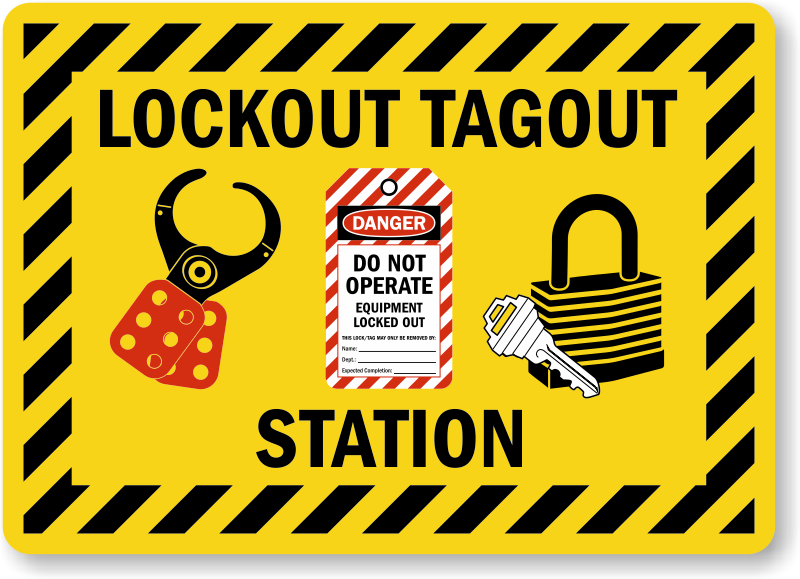
#### 3. Tag Templates Tags must include specific information. A visual template ensures consistency. A standard tag image includes fields for: - Employee name - Department - Date and time - Reason for lockout - Contact info
Using a consistent design prevents incomplete or illegible entries.
#### 4. Training Infographics Used in onboarding or refresher courses, these combine photos, icons, and minimal text to explain LOTO principles. One common infographic compares a “before” scene (worker near live machine) with an “after” (locked, tagged, verified).
#### 5. Warning and Signage Images These are not procedural but act as constant reminders. “Danger – Do Not Start” or “Locked Out – Authorized Personnel Only” signs are most effective when placed near controls and backed by real-looking photos of tagged equipment.
Where to Find High-Quality Lock Out Tag Out Images
Sourcing accurate, usable images is a challenge. Generic stock photos often lack technical precision. The best resources combine regulatory compliance with real-world applicability.
Here are five trusted sources (and what they offer):
| Source | Type of Images | Key Features | Best For |
|---|---|---|---|
| OSHA.gov | Official diagrams and posters | Free, compliant, printable | Regulatory training |
| Grainger | Product-specific visuals | Equipment lockout templates | Facility customization |
| Brady Corporation | Safety tags and lockout kits | Editable tag designs, ANSI-compliant | Tag standardization |
| SafetyInfo.com | Downloadable PDFs and diagrams | Detailed LOTO procedures | Small to mid-sized operations |
| Creative Safety Supply | Infographics and signage | Multilingual, high-res | Visual safety culture |
Avoid Pinterest or generic image sites unless cross-referencing with OSHA standards. Many images online show incorrect lock placement or outdated tag formats.
Tip: Always verify that visuals align with your site’s specific machinery and energy sources. A one-size-fits-all approach fails in practice.
Common Mistakes in Using Lock Out Tag Out Images
Even with the right visuals, misuse reduces their effectiveness. Here are frequent pitfalls:
#### 1. Using Generic Images for Specific Equipment A generic “lock on breaker” image doesn’t help if your facility uses hydraulic disconnects. Workers may assume the procedure is the same—it’s not.
Fix: Customize visuals for each machine. Photograph your actual equipment and overlay numbered lock points.
#### 2. Outdated or Unclear Tag Examples A tag image showing only a name and date is incomplete. OSHA requires reason for lockout and contact information.
Fix: Update tag templates annually. Include a QR code linking to the full LOTO procedure.
#### 3. Placing Visuals in Low-Traffic Areas Posting a flowchart in the break room won’t help during maintenance. Visibility at point of use is key.
Fix: Laminate diagrams and mount them near machine control panels or in lockout stations.
#### 4. Relying Solely on Digital Access Digital manuals are convenient, but during a power outage or in remote areas, they’re inaccessible.
Fix: Maintain printed backups. Use waterproof, tear-resistant material for shop floor use.
#### 5. Ignoring Multilingual Workforces An English-only diagram fails non-English speakers. Misunderstanding can be fatal.
Fix: Use universally recognized symbols (e.g., padlock icon) and offer translated versions. ISO 7010 safety symbols are ideal.
Real-World Example: Lockout Failure and How Visuals Could Have Prevented It
In 2019, a maintenance technician at a food processing plant was injured when a mixer started unexpectedly. Investigation revealed that while a lockout was initiated, the hydraulic valve wasn’t isolated—only the electrical panel was locked.
The facility used a single generic LOTO image showing only electrical disconnects. The mixer had two energy sources, but no diagram highlighted the hydraulic line.
After the incident, the plant introduced equipment-specific lockout diagrams. Each machine now has a laminated card showing all energy isolation points, with photos of actual valves and breakers. Maintenance staff must check off each point using a visual checklist.
Result: 100% compliance in the next audit and zero LOTO-related incidents in 18 months.
This case proves that accurate, detailed images aren’t optional—they’re preventive tools.

How to Create Effective Lock Out Tag Out Images
You don’t always need to source externally. Creating custom visuals ensures relevance and compliance.
Follow this workflow:
- Audit Equipment
- List all machines requiring LOTO. Identify energy types: electrical, mechanical, hydraulic, pneumatic, chemical.
- Map Isolation Points
- For each machine, locate every disconnect—breakers, valves, clamps. Photograph each point.
- Design the Diagram
- Use software like Lucidchart, Visio, or Canva. Overlay numbered callouts on your photos. Include a key explaining symbols.
- Add Procedural Steps
- Below the image, list steps in order. Use action verbs: “Close,” “Lock,” “Verify.”
- Review with Maintenance Team
- Get feedback from technicians. They’ll spot missing steps or unclear symbols.
- Print and Install
- Laminate and mount near the machine. Include a QR code linking to a digital version.
Example: A packaging line diagram includes four photos—main disconnect, air line valve, conveyor clutch release, and control panel—each with a padlock icon and number. The procedure list matches the sequence.
Integrating Images into Training Programs
LOTO images aren’t just for the shop floor. They’re critical in training.
During onboarding: - Show correct vs. incorrect tag examples - Use “spot the mistake” exercises with flawed lockout photos - Walk through a flowchart during live demonstrations
For refresher training: - Rotate monthly posters showing different machines - Test workers with blank diagrams—ask them to label lock points - Use animated GIFs to show proper lock application
One manufacturing site reduced LOTO errors by 40% after introducing visual quizzes in quarterly safety meetings.
Tip: Keep a digital library of all LOTO images. Organize by department, machine type, or energy source for quick retrieval.
Final Thoughts: Treat Visuals as Safety Equipment
Lock out tag out images are not decorative. They’re as essential as hard hats or safety glasses. When designed and deployed correctly, they reduce ambiguity, enforce consistency, and save lives.
Don’t settle for blurry stock photos or outdated templates. Invest time in creating or sourcing precise, actionable visuals tailored to your operations.
Action step: This week, audit one high-risk machine in your facility. Photograph its energy sources, design a lockout diagram, and post it at the point of use. Train your team on it. Then scale across your site.
Clarity prevents accidents. And clarity starts with the right image.
FAQ
Where can I download free lock out tag out images? OSHA’s official website provides free, printable LOTO posters and diagrams compliant with federal standards.
What should a proper lockout tag image include? Name of employee, date/time, reason for lockout, department, and contact information. Use standardized formatting.
Are digital lockout images acceptable? Yes, but only if accessible during maintenance. Always supplement with printed versions in critical areas.
How detailed should a lockout diagram be? It must show every energy isolation point specific to the machine, with clear labels and steps.
Can I use photos of actual equipment for LOTO visuals? Absolutely. Real photos improve recognition and accuracy, especially for complex machinery.
Do lockout images need to be multilingual? In diverse workplaces, yes. Use universal symbols and provide translated tags or captions.
Who is responsible for creating LOTO images? Safety managers, in collaboration with maintenance leads and equipment operators, should develop and review them.
FAQ
What should you look for in Lock Out Tag Out Images: Best Practices and Visual Guides? Focus on relevance, practical value, and how well the solution matches real user intent.
Is Lock Out Tag Out Images: Best Practices and Visual Guides suitable for beginners? That depends on the workflow, but a clear step-by-step approach usually makes it easier to start.
How do you compare options around Lock Out Tag Out Images: Best Practices and Visual Guides? Compare features, trust signals, limitations, pricing, and ease of implementation.
What mistakes should you avoid? Avoid generic choices, weak validation, and decisions based only on marketing claims.
What is the next best step? Shortlist the most relevant options, validate them quickly, and refine from real-world results.